

Secure Your Adventure With Travel Insurance For Ukraine
Planning a trip to Ukraine? Securing visit Ukraine insurance is essential for a safe and worry-free journey, providing financial protection against medical emergencies, trip cancellations, and unforeseen events. Travel with confidence knowing you have comprehensive coverage tailored to the region’s specific risks.
Why Travel Coverage Matters for Ukrainian Trips
When you finally stand on the cobblestones of Lviv’s old square, the scent of coffee and history thick in the air, the last thing you want is for a sudden illness to shatter the moment. For a trip to Ukraine, comprehensive travel coverage is your invisible shield. It’s what lets you trade worry for wonder, knowing that if a missed connection or an unexpected hospital visit tries to steal your story, you have a safety net. From the majestic Carpathian trails to the war‑resilient heart of Kyiv, proper insurance transforms a beautiful risk into a genuine adventure. It’s not just a policy; it’s the quiet promise that lets you fully embrace the warmth of Ukrainian hospitality, securing your journey so every memory remains golden, not costly.
Legal Requirements for Foreign Visitors Entering Ukraine
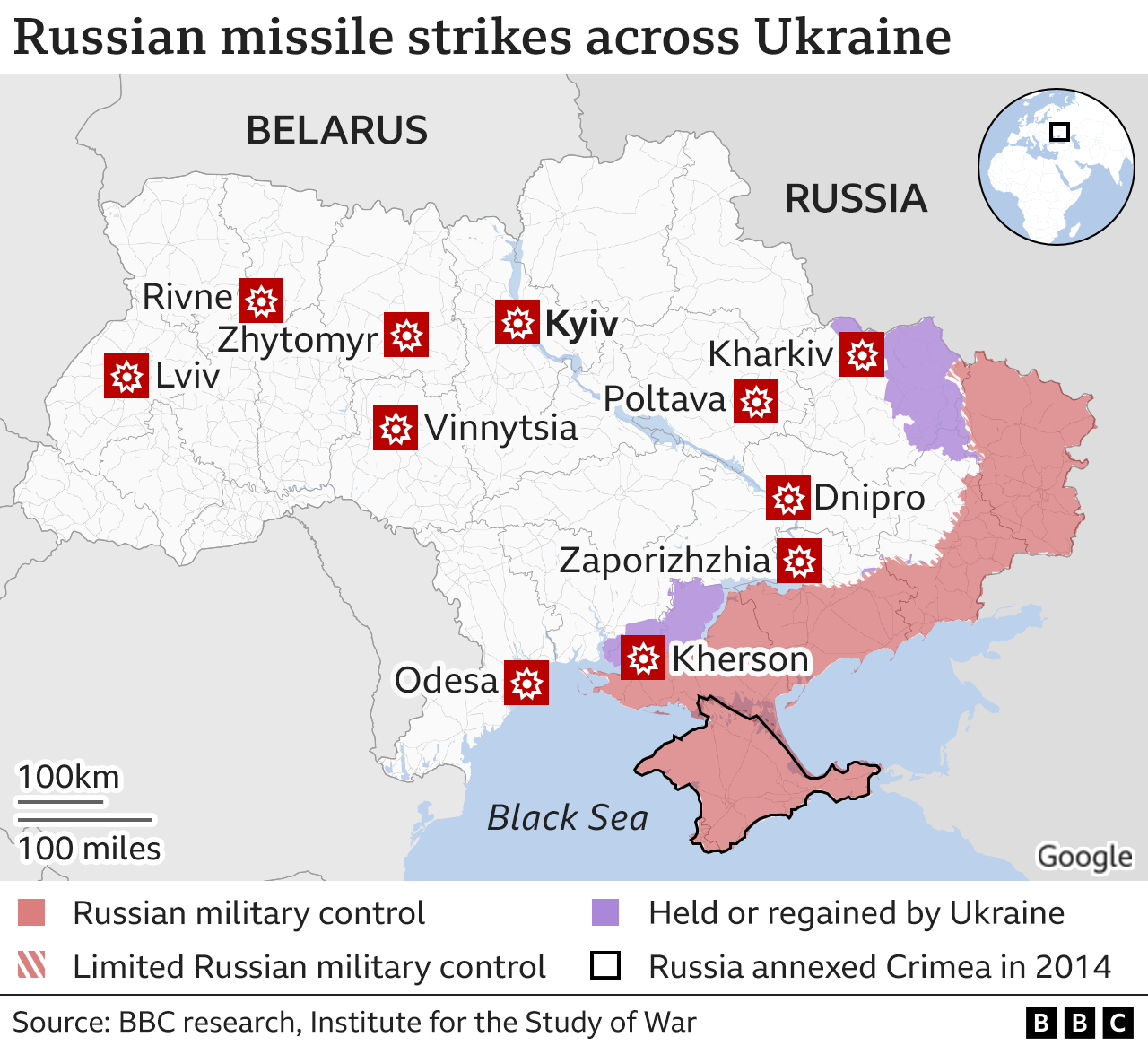
Travelling to Ukraine demands robust travel coverage, as the country’s active conflict zone status makes standard policies void. The travel insurance for Ukraine must specifically include war risk and emergency evacuation clauses, covering medical treatment for injuries from missile strikes, landmines, or civil unrest. Without this specialized protection, a single medical helicopter evacuation from a frontline area could cost thousands of dollars out of pocket. Essential coverage should address:
- Medical Repatriation: Returning remains or transporting a severely injured traveler to a safe European hospital.
- War & Terrorism: Explicitly listed as a covered event, not an exclusion.
- Political Evacuation: Fast transport out if regional hostilities escalate rapidly.
Choosing a policy that acknowledges Ukraine’s real risks is not optional; it is the only responsible way to ensure your safety and financial solvency during a volatile journey.
Risks Covered by Standard Policies in Conflict Zones
When I planned my first trip back to Kyiv after the war began, my friend, a local journalist, insisted I check my travel insurance. “It’s not just about lost luggage here,” she said, her voice low. Travel coverage for Ukrainian trips matters because the landscape of risk has fundamentally changed. Comprehensive travel insurance for Ukraine is a non-negotiable lifeline in a conflict zone. Standard policies often exclude war-related incidents, leaving travelers exposed. Specialized coverage addresses unique realities like evacuation from active areas, medical care in bomb-damaged hospitals, and communication outages. Without it, a simple accident could become a logistical nightmare.
Key coverage points for Ukraine:
- Medical evacuation to a neighboring safe country
- Coverage for trip interruption due to airspace closures
- Direct access to a 24/7 emergency hotline familiar with the region
Q&A
Q: Can I use my standard European travel insurance for Ukraine?
A: Usually not. Most standard policies exclude high-risk zones. You need a specialized policy that explicitly covers war or terrorism risks and evacuation from active conflict areas.
Exclusions You Should Know Before Booking
The first time I crossed into Ukraine, the sky was the color of bruised iron, and my phone buzzed with air raid alerts before I’d even cleared customs. That’s when travel coverage stopped being a checkbox on a booking page and became the only thing between me and a crisis. For Ukrainian trips, insurance isn’t about lost luggage; it’s about navigating sudden evacuations, medical evacuations from regions with damaged infrastructure, and unpredictable border closures. Comprehensive trip cancellation insurance for travel to Ukraine ensures you’re not stranded when a line of control shifts overnight or a shelling zone expands without warning. Without it, a single drone strike on a major road can leave you with thousands in private transport costs and no backup plan.
- Medical emergencies: Hospitals in conflict zones may require upfront payments for treatment or stabilization before transport.
- Evacuation logistics: Policies cover visit ukraine insurance emergency relocation to safer cities or cross-border to Poland, Romania, or Hungary.
- Document loss: Stolen passports at crowded train stations are common—replacement and legal aid are rarely free.
Q&A:
Q: Does standard travel insurance work for Ukraine?
A: Rarely. Most exclude active war zones. You need a specialized policy that explicitly covers armed conflict, terrorism, and government-ordered evacuations.
Comparing Short-Term and Long-Term Medical Plans
When Maria faced a sudden knee injury, her short-term medical plan felt like a fast bandage—covering urgent doctor visits and immediate physical therapy. It gave her six months of quick, affordable relief, but it couldn’t touch her pre-existing condition or offer maternity care. In contrast, her neighbor Leo, managing asthma, relied on a long-term plan that felt like a sturdy home. It required higher monthly comprehensive health coverage, yet it protected him for years, covering specialist checkups and hospital stays without gaps. Maria soon learned the trade-off: short-term plans are cheap and perfect for unforeseen transitions, but they lack the full safety net of long-term policies. For those seeking lasting stability, investing in extended medical protection often saves both health and finances in the long run.
Duration-Based Options: Single Trip vs Multi-Trip
When comparing short-term and long-term medical plans, the core trade-off is flexibility versus comprehensive coverage. Short-term plans offer lower premiums and quick activation, making them ideal for temporary health coverage gaps like job transitions. However, they typically exclude pre-existing conditions, maternity care, and preventive services. In contrast, long-term plans—such as ACA-compliant options—guarantee coverage for a broad range of needs, including essential health benefits like prescriptions and mental health services. While their monthly costs are higher, they provide security against unpredictable major expenses. Choose short-term only for brief, low-risk periods; invest in long-term for sustained protection and peace of mind.
Emergency Evacuation and Repatriation Clauses
When Sarah faced a surprise knee injury, her short-term medical plan covered the immediate MRI and surgery, but she quickly realized it wouldn’t touch her ongoing physical therapy or check-ups beyond six months. That’s the core difference: short-term plans are a safety net for sudden gaps, offering limited coverage for a few months, while long-term plans are a structural foundation for sustained health. For her, short-term vs long-term health insurance comparison became a lesson in foresight.
- Duration: Short-term covers up to 364 days; long-term is annual, renewable.
- Coverage: Short-term excludes pre-existing conditions and preventive care; long-term includes both.
- Cost: Short-term has lower premiums but higher risk for chronic needs.

Adding War Risk Riders to Existing Cover
When comparing short-term and long-term medical plans, understanding coverage duration is critical. Short-term plans bridge gaps for up to 364 days, offering lower premiums but excluding pre-existing conditions and essential health benefits. Long-term plans, like ACA-compliant insurance, provide year-round, comprehensive coverage, including preventive care and hospitalization, though at higher costs. Choosing the right medical plan hinges on your health stability and financial risk tolerance. Key differences include: short-term plans limit out-of-pocket maximums, while long-term plans cap them annually. For example, short-term may deny a diabetes prescription, whereas long-term covers it. Always verify network restrictions—short-term often lacks out-of-network coverage. Evaluate your need for continuous care versus temporary protection to avoid coverage gaps.
Top Providers Offering Ukraine-Specific Policies
When securing comprehensive coverage for assets in a volatile region, partnering with seasoned insurers is non-negotiable. We have identified a select group of top providers who actively underwrite Ukraine-specific policies with unmatched precision. AXA XL and Hiscox lead the market, offering tailored war-risk and political violence protection that goes far beyond standard exclusions. Lloyds syndicates, particularly through brokers like Miller, provide bespoke solutions for property and marine cargo, leveraging decades of crisis expertise. For business continuity, Chubb’s parametric triggers and Zurich’s local claims infrastructure ensure rapid payouts. These carriers combine rigorous risk assessment with a genuine commitment to the Ukrainian market, making them the definitive choice for any entity requiring resilient, specialized coverage today.
International Insurers with Active Local Partnerships
Several top insurers now offer Ukraine-specific travel policies, with war and civil unrest coverage being the critical differentiator. AXA, World Nomads, and SafetyWing lead the market with stand-alone plans that explicitly cover trip cancellations, medical evacuations, and security-related delays within Ukraine’s active zones. These providers typically exclude high-risk regions like Donetsk and Luhansk, requiring careful policy review. For long-term stays, Trawick International and Allianz offer multi-month policies with coverage for drone strikes and unexploded ordnance injury, while Heymondo includes real-time security alerts. Always verify that your plan includes “hostile event” or “terrorism” clauses, as standard policies reject claims outright.
Q&A:
Q: Does standard travel insurance cover Ukraine right now?
A: No. Only specialized policies with explicit war-risk endorsements will pay claims; standard policies exclude armed conflict by default.
Q: Can I buy a policy if I’m already inside Ukraine?
A: Most providers require purchase before departure. A few, like SafetyWing, offer “home country” options for digital nomads already abroad, but not for those inside active combat zones.
Digital-First Insurers for Instant Policy Issuance
Ukraine-specific insurance policies have become a critical necessity for businesses and individuals navigating elevated risks. Leading the charge is Axis Capital, which offers tailored political risk and property coverage for assets in Ukraine, including war exclusion buybacks. Chubb provides comprehensive business interruption and cargo insurance, while Liberty Specialty Markets delivers robust cyber and kidnap & ransom policies. Howden Insurance Brokers stands out for structuring multi-year coverage for reconstruction projects, and Marsh McLennan facilitates parametric weather and crop insurance for agricultural operations. These providers prioritize swift claims handling, often with dedicated Ukraine desks. Their dynamic approach enables trade and investment despite the conflict, ensuring clients can operate with greater certainty.
Government-Recommended Travel Security Packages
In the shifting landscape of wartime risk, AXA and Hiscox have emerged as quiet pillars for those navigating Ukraine’s specific insurance needs, offering bespoke policies that cover war-related damages, business interruption, and political risk. Their teams work with local brokers to tailor coverage for logistics firms, NGOs, and energy companies still operating in the region. Ukraine-specific insurance policies from these providers often include clauses for equipment loss, cargo transit through high-risk zones, and staff evacuation. Each new contract feels like a small pact of resilience against uncertainty. Meanwhile, specialized insurers like Safe Inside and Chubb have developed rapid-issue paramedic and property plans, using real-time threat data to adjust premiums. For companies determined to stay, these offerings are less about risk avoidance and more about enabling difficult operations with a grounded safety net.
Key Factors That Influence Premium Costs
Premium costs are primarily driven by risk assessment and actuarial data, where insurers evaluate age, health history, and lifestyle choices such as smoking or hazardous hobbies. Geographic location significantly influences rates due to regional healthcare costs and claim frequencies. Policy specifics, including deductible levels and coverage limits, directly adjust premiums—higher deductibles lower costs, while broader coverage increases them. Additionally, the insurer’s own operational expenses and profit margins, alongside regulatory mandates and market competition, play pivotal roles. Your credit score and occupation can further alter pricing, as statistics link them to claim likelihood. By managing these controllable factors, you can secure more favorable rates without sacrificing essential protection.
Q&A: How can I reduce my premium without losing coverage? Increase your deductible, bundle policies with one provider, and maintain a healthy lifestyle to qualify for preferred risk tiers. Avoid small claims that can trigger rate hikes.

Age, Duration, and Destination Cities Inside Ukraine
Several key factors determine insurance premium costs, most notably risk assessment and statistical data. Insurers analyze age, location, health status, and claims history to calculate likelihood of payout. Actuarial risk modeling forms the backbone of premium pricing. Other variables include coverage type, deductible levels, and policy limits, which directly influence cost. External elements like inflation, regulatory changes, and industry trends also play a role.
- Personal attributes: Age, occupation, and lifestyle choices (e.g., smoking).
- Policy details: Deductible amount, coverage scope, and optional riders.
- External conditions: Legal environment, economic shifts, and catastrophic event frequency.
Higher deductibles reduce premiums but increase out-of-pocket costs at claim time.
Insurance companies also adjust rates based on competitive market dynamics and their own financial experience, balancing affordability with solvency. Understanding these levers helps consumers make informed decisions when comparing plans.
Pre-Existing Conditions and Declared Activities
Premium costs are dynamic, driven by a blend of personal and market forces. Your age, health history, and lifestyle habits—like smoking—directly increase risk assessments. Location matters, as regional healthcare costs and natural disaster risks spike rates. Even your coverage choices, from deductibles to policy limits, reshape the final price. Insurers also weigh broader trends: inflation, medical technology advances, and legal claim frequencies. To lower costs, consider bundling policies or raising your deductible. Key factors include:
- Personal risk profile (age, health, occupation)
- Geographic risks (local crime, weather patterns)
- Coverage amount & deductibles
How Border Crossings Affect Your Rate
A bunch of things decide how much you’ll shell out for insurance premiums, with your personal risk profile being the biggest driver. Your personal risk profile heavily influences premium costs, shaped by factors like age, health history, and lifestyle choices. For instance, younger drivers often pay lower auto rates, while older smokers might see higher life insurance prices. The coverage amount and policy type you choose also matter—more protection means higher monthly outlays. Location plays a role, too; if you live in an area prone to natural disasters or theft, expect a bump in cost. Finally, your claims history can spike rates, as insurers see repeat filers as bigger gambles.
The simplest way to lower your premium? Keep a clean record and shop around regularly.
Practical Steps to File a Claim While in Ukraine
To file a claim while in Ukraine, first locate the appropriate government authority online, such as the Ministry of Social Policy or the relevant regional administration, depending on the claim type (e.g., housing damage, healthcare, or business loss). Gather all required documentation, including identification (passport, taxpayer ID), proof of residency, and evidence of the incident (photos, witness statements, police reports). Submit your claim online through the Diia portal or in person at a local “TsNAP” administrative service center, where staff can assist with forms. Follow up using the case reference number provided. Processing times may vary due to the ongoing conflict and administrative backlog. For complex claims, especially those involving international entities, consult a legal aid NGO like the Ukrainian Legal Aid Service for guidance. Keep copies of all submissions and correspondence for your records.
Documenting Incidents for Quick Reimbursement
To file a claim while in Ukraine, first compile all essential documents—passport, policy number, and evidence like photos of damage or medical reports—digitally. Notify your insurer immediately via their 24/7 emergency line or app, as many require prompt reporting. For property claims, secure the site against further loss and document everything. For medical claims, keep all receipts and treatment records from licensed facilities. Submit your claim online through the insurer’s portal, attaching scans. If connectivity is an issue, request a phone-based submission or use a local notary for verification. Expect possible delays due to regional conditions, but maintain detailed logs of all communications for your file.
Contacting Emergency Assistance Hotlines
To file an insurance claim while in Ukraine, prioritize documenting all damage with dated photos and videos, then notify your provider immediately via their international hotline or app. Navigating claims during active conflict requires submitting a police report if safe, plus receipts for any emergency repairs or medical costs. Most insurers accept digital submissions; send all evidence through secure portals or email, keeping copies for yourself. Expect longer processing times due to local disruptions.
Filing an insurance claim in Ukraine often involves working with local adjusters if available. Check your policy for crisis-specific clauses, as some cover temporary accommodation or evacuation expenses. Maintain a log of all communications with claim numbers.
- Collect evidence immediately: photos, videos, witness statements.
- Contact your insurer’s emergency line—use WhatsApp or Telegram if phone lines fail.
- Translate local documents (e.g., medical reports) into English or your policy language.
Q&A: Can I file a claim if I evacuated? Yes, many insurers process claims remotely once you’re safe. Provide proof of departure and resubmit any delayed reports immediately.
Language Barriers and Translator Support
The morning after the attack, I sat in a dim Kyiv café, clutching a crumpled insurance policy and a phone with one bar of signal. Filing a claim from a war zone felt impossible, but I learned it’s about broken steps. First, contact your insurer immediately via WhatsApp or email—their apps often fail here. Take geo-tagged photos of damage, even with rubble underfoot, and gather any official report from local authorities, which can be chaotic but crucial. Navigating claims during active conflict demands patience and persistence. Then, use a secure Wi-Fi hotspot to upload documents in small batches; large files fail. Finally, save every confirmation number like a lifeline.
Your first call is not for sympathy—it is a record that you are still alive and fighting.
Common Myths About Cover for Ukraine Travel
Many travelers believe that travel insurance for Ukraine is either impossible to obtain or prohibitively expensive due to the ongoing conflict. This is misleading. While standard policies often exclude war zones, specialized providers now offer robust cover for Ukraine travel tailored to the unique risks. Another common myth is that such insurance is worthless because it won’t pay out for any claims. In reality, comprehensive plans frequently cover medical emergencies, trip cancellations, and baggage loss, though they explicitly exclude war-related missile strikes. A more dangerous misconception is assuming your existing European Health Insurance Card or basic travel policy will suffice. It will not. To ensure genuine protection, you must seek out a specialist insurer who understands the current situation. Dispelling these myths is crucial for any responsible traveler planning a trip to Ukraine today, as having the right cover can mean the difference between financial catastrophe and a manageable mishap.
Misconception: All Policies Automatically Include War Zones
Many travelers believe that travel insurance is unnecessary for Ukraine due to government-issued safe passage corridors, but this is a dangerous misconception. Comprehensive cover for Ukraine travel is essential because standard policies often exclude war zones. A common myth holds that all plans are prohibitively expensive, yet specialized providers offer tailored, affordable options. Another fallacy is that medical evacuation is always available for free via embassies; in reality, private insurance is your only reliable safety net.
Dismissing insurance as redundant could leave you financially stranded if an emergency strikes.
Don’t rely on rumors—always verify that your policy explicitly covers conflict-related incidents, including trip disruption and personal liability, before you depart.
Debunking the Need for Separate Travel Insurance
Many travelers think Ukraine travel insurance is impossible to get, but that’s a major myth. Cover for Ukraine travel is actually available from several specialized providers, though standard policies often exclude it. Another common misunderstanding is that all policies are identical—in reality, options vary wildly, from basic medical evacuation to comprehensive cancellation cover. You also don’t need to pay a fortune; some plans are surprisingly affordable. Finally, don’t assume your policy won’t cover trip disruptions due to conflict zones—many now include specific provisions for this, so always read the fine print before you go.
Why Bank Card Cover Rarely Suffices
Traveling to Ukraine comes with its share of scary stories, but let’s bust some big myths. Many think all travel insurance covers war zones, but standard policies usually exclude active conflict areas. Another rumor: you can’t get any valid cover at all—wrong, specialized providers like “Cover for Ukraine” exist, but you must read the fine print. Some also believe claims are never paid, yet insurers do process legitimate losses like medical evacuation or theft, provided you follow their rules. Don’t let gossip derail your trip planning. Always check policy exclusions for terrorism and military actions, and remember that affordable options often lack key protections like helicopter rescue. Stick with verified, conflict-aware insurers rather than budget shortcuts.
Special Considerations for Business Travelers
Business travelers must prioritize corporate travel compliance by securing necessary visas, health documentation, and adherence to company duty-of-care policies well in advance. Pack versatile, wrinkle-resistant attire and travel-size toiletries to navigate security checks efficiently. Keep digital copies of passports, itineraries, and emergency contacts in a secure cloud folder separate from physical documents. Consider enrolling in trusted traveler programs like Global Entry for expedited customs clearance. Maintain a strict schedule buffer to accommodate delays, and use travel management apps for real-time flight and lodging updates. Finally, ensure your devices have a reliable VPN and backup power bank to mitigate connectivity risks during critical meetings.
Corporate Liability and Workers’ Compensation
Business travelers face unique hurdles that leisure tourists don’t, from managing jet lag to safeguarding sensitive data. Corporate travel risk management is a critical focus here. You’ll want to pack smart: keep chargers, travel documents, and noise-canceling headphones in your carry-on. Tech hygiene matters too—use a VPN for public Wi-Fi and enable device encryption. For ground transport, consider ride-share apps or hotel shuttles instead of taxis. Always carry a portable power bank for late-night work sessions. And remember, loyalty programs for airlines and hotels can upgrade your experience, but check your company’s policy first. If crossing time zones, schedule a buffer day before key meetings to stay sharp.
Coverage for Laptops, Documents, and Equipment
Business travelers face unique hurdles that demand proactive planning. A key **corporate travel risk mitigation** strategy begins before departure, requiring travelers to prioritize cybersecurity by using VPNs for public Wi-Fi and carrying backup power banks for essential devices. Beyond logistics, cultural awareness is critical; understanding local dining etiquette or meeting protocols can make or break a deal. Health considerations also require attention, including travel insurance that covers emergency evacuation and checking if medications are permitted at the destination.
Disconnecting from work for proper rest isn’t optional—it’s a strategic performance advantage that sustains your edge on the road.
Finally, streamline expense management by digitizing receipts nightly and researching city-specific tax deduction rules, as even a single overlooked receipt can cost your company hundreds.
Extended Stays and Visa Compliance
Business travelers face unique challenges that demand proactive planning and adaptability. Corporate travel insurance is non-negotiable, covering trip cancellations, lost baggage, and medical emergencies. Pack versatile attire for last-minute meetings, and carry portable chargers to avoid dead batteries during airport delays. Use digital boarding passes and hotel apps to streamline check-ins.
Always carry a hard copy of your itinerary and key contacts in case your phone fails.
Consider global entry programs like TSA PreCheck or Global Entry to save time. Monitor local customs and visa requirements early, especially for high-security destinations. For extended trips, arrange laundry services or pack wrinkle-resistant fabrics. Stay hydrated on flights, and schedule buffer time between meetings to handle unexpected traffic or transit strikes. A lightweight travel router can ensure secure Wi-Fi in hotels, while noise-canceling headphones boost productivity in noisy lounges. Finally, keep a digital backup of passports and credit cards in encrypted cloud storage.