

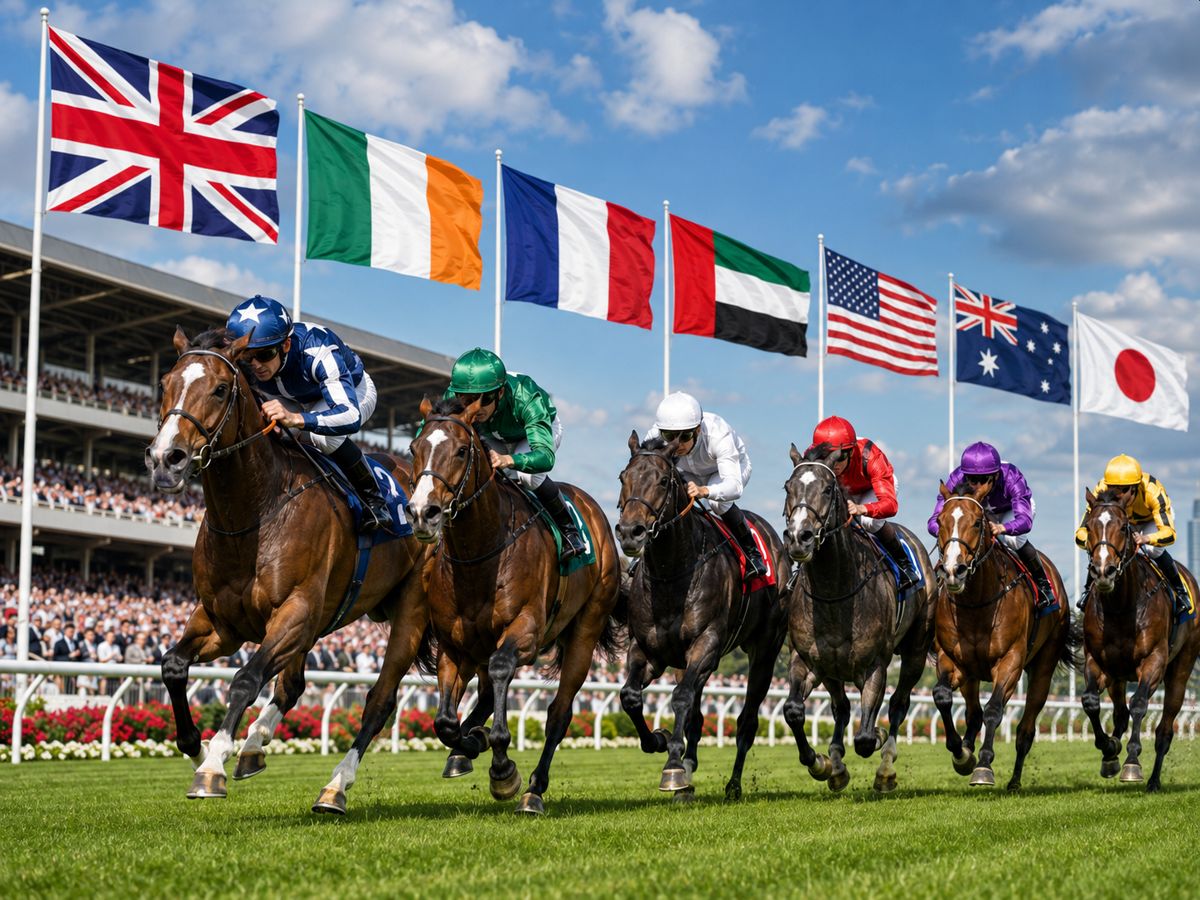
The Impact of Non-participation in UK Horse Racing
Horse racing has long been one of the most cherished pastimes in the United Kingdom, captivating enthusiasts and casual viewers alike with its rich history and vibrant atmosphere. However, the landscape of UK horse racing has undergone significant changes, especially in recent times where events may not be as frequent or engaging as before. Whether due to weather conditions, health regulations, or other unforeseen circumstances, there might be occasions when horse racing is simply not on.
For ardent fans, this lack of racing opportunities can be disheartening. However, it’s essential to acknowledge the underlying factors that contribute to such situations. The influence of external conditions, regulatory changes, and the impact of the international racing calendar all play roles. During such times, UK Horse Racing Not on GamStop horse racing betting apps not on GamStop may provide alternative means for punters to engage with the sport, enabling them to stay connected even when live events are not occurring.
The Reasons Behind Racing Cancellations
The cancellation of horse racing events can occur for various reasons. Weather disruptions are one of the most common. Heavy rainfall or extreme temperatures can lead to unsuitable track conditions, making it unsafe for horses and jockeys to compete. Similarly, during winter months, frost or snow can make tracks un-raceable, forcing organizers to call off events.
Another significant factor is health regulations. In recent years, the COVID-19 pandemic has led to numerous restrictions that may result in the cancellation of events. Additionally, health concerns related to animal welfare can also lead to the postponement of races if a horse is deemed unfit to race.
Implications for Punters and Enthusiasts
For punters, cancellations mean missed opportunities to place bets and potentially earn some returns. This can create a ripple effect in the betting landscape, affecting both online and physical bookmakers. With fewer races, there can also be fewer betting options, leading to a decline in engagement from bettors who thrive on the thrill of wagering on live events.
Moreover, fans who look forward to the pageantry and excitement of race days may find themselves frustrated. The atmosphere at racecourses during high-profile events is electric, with lively crowds, thrilling finishes, and a community spirit that brings people together. When racing is not on, the social aspect of horse racing is significantly diminished, leaving fans craving that experience.
Alternatives to Horse Racing
While the absence of horse racing is disappointing, there are alternative ways for fans and punters to engage with the sport. Many racing platforms provide virtual races or simulation racing that can mimic the excitement of live events. These software programs generate random outcomes and can offer fans a chance to bet on races that do not occur in real-time.
Additionally, enthusiasts may turn to other sports betting options during these downtime periods. Football, rugby, and even virtual sports betting could be options that attract the interest of racing fans. The diversification into different sports may help maintain engagement in the betting world, keeping punters active even when horse racing is not on.
Future of UK Horse Racing in a Changing World
As we look ahead, it’s essential to witness how UK horse racing adapts to new challenges. Weather fluctuations and health regulations will likely continue to impact racing schedules. However, as technology evolves, there may be innovative solutions that could help mitigate cancellations and keep fans engaged.
Furthermore, the emergence of betting apps and online platforms continues to reshape the landscape. As more technology is integrated into the betting experience, it could lead to creative options for racing events, whether through enhanced broadcasting, virtual racing environments, or interactive betting experiences. The key will be finding a balance between offering entertainment while ensuring the welfare of the horses and the safety of participants.
The Role of Community and Support
During times when horse racing is not on, community engagement becomes even more critical. Fans can connect through social media platforms, racing forums, and local racing clubs. Sharing insights, discussions about past races, and predictions for upcoming events can foster a sense of belonging even in the absence of live events.

Moreover, supporting local stables, jockeys, and trainers during these tough times can have a meaningful impact. Many racing communities focus on their heritage, and maintaining relationships with horses and trainers ensures that the essence of the sport remains intact, even when racing isn’t happening on the tracks.
Conclusion
While the cancellation of UK horse racing events presents challenges for fans and punters alike, it is essential to adapt and find alternative ways to engage with the sport. Understanding the reasons behind these cancellations can foster a deeper appreciation for the complexities of racing. Furthermore, by exploring alternatives and maintaining community connections, horse racing can thrive, and its legacy can continue to captivate future generations. The adaptability of both the racing community and its fans is critical to ensuring the recounting of thrilling stories and moments occurs even in the face of adversity.