


Horse racing has been an integral part of British culture for centuries, with its origins tracing back to the Roman occupation of the British Isles. It is a sport that brings together a community of passionate fans, dedicated trainers, and remarkable athletes—both equine and human. However, there are times when UK horse racing events are not on the calendar, and this can have a significant impact on the racecourse ecosystem. In this article, we will explore various reasons why UK horse racing events may not be happening. For more insights on horse racing, visit UK Horse Racing Not On Gamstop www.porphyrios.co.uk.
Historical Context of UK Horse Racing
The roots of horse racing in the UK date back to the early 16th century, with the first recorded races taking place in the 1600s. Over the years, the sport has evolved, giving rise to prestigious races like the Derby and the Grand National. The traditions associated with British horse racing are deeply woven into the fabric of society, with races attracting thousands of spectators each year. Despite its rich history, several factors can lead to cancellations or postponements of events.
Weather Conditions
One of the primary reasons for the cancellation or postponement of horse racing events is adverse weather conditions. The unpredictable nature of British weather often means that racecourses face challenges such as heavy rain, snow, or extreme heat.
Much like any outdoor sporting event, horse racing relies on suitable track conditions for safe competition. Heavy rain can lead to a waterlogged track, making it unsafe for horses to run, while icy conditions can present serious hazards to both horses and jockeys. In some instances, officials may need to make quick decisions to preserve the welfare of the animals and spectators alike.
Health and Safety Regulations
In recent years, health and safety regulations have become paramount in shaping the schedule of horse racing events. Ensuring the safety of both the horses and the jockeys is of utmost importance, and this can lead to the cancellation of events if there are concerns about the integrity of the racecourse or potential health threats.
For example, during outbreaks of disease among horses, such as Equine Influenza, authorities may impose restrictions that result in the temporary suspension of racing. These health measures are crucial in controlling the spread of illness and ensuring that the integrity of the sport is upheld.
Economic Factors
The economic landscape can also influence the scheduling of horse racing events. Factors such as fluctuating sponsorship deals, funding cuts, and changes in betting laws can result in event cancellations. The economic downturn can lead to fewer resources available for organizing and promoting races, thus limiting the number of events held.
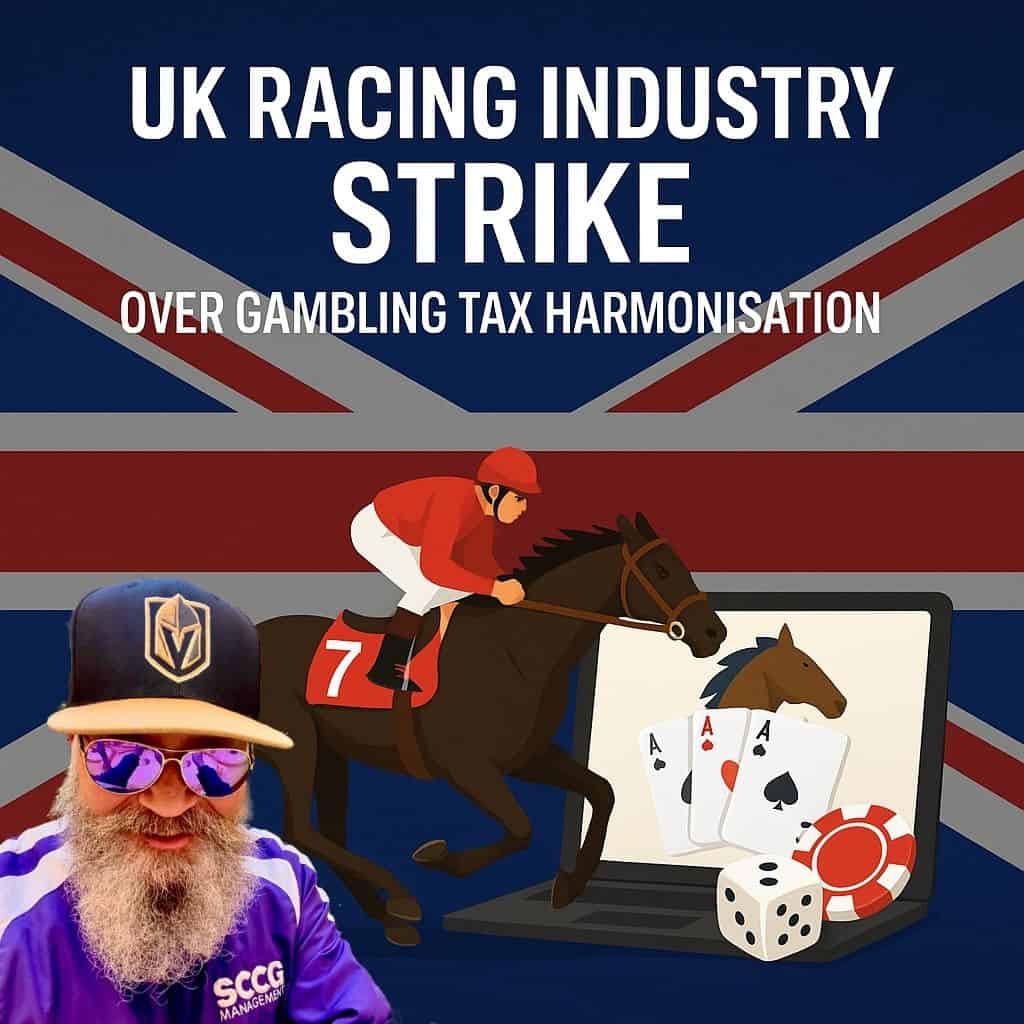
Moreover, the financial stability of individual racecourses can affect their ability to host events. If a racecourse is struggling financially, it may have to cancel certain events to focus on more profitable meetings. This economic balancing act is critical for the sustainability of the sport.
Regulatory Changes
Horse racing in the UK is governed by several regulatory bodies, and any changes in laws or regulations can significantly impact racing schedules. New strategies aimed at improving welfare standards, such as stricter regulations on horse treatment and transportation, may require racecourses to alter their operations.
Additionally, changes in betting laws or underwhelming ticket sales may lead organizers to rethink their plans. It is important for stakeholders to be adaptable in response to these evolving regulations, and sometimes, this means not hosting certain events.
Public Health Crises
The COVID-19 pandemic serves as a stark reminder of how public health crises can halt sporting events globally, including UK horse racing. During the height of the pandemic, racecourses faced closures, and events were either canceled or held without spectators in attendance. These measures were necessary to protect the health of the public and racing community.
The impact of such crises can be long-lasting, with recovery strategies needing to be put in place to encourage spectators to return to the sport. The need for stringent health protocols may also influence the scheduling and organization of future events as the industry seeks to adapt to new norms.
Conclusion
While the excitement of UK horse racing is undeniable, there are periods when events are not taking place due to a variety of factors including weather conditions, health and safety regulations, economic pressures, regulatory changes, and public health crises. Understanding these dynamics can enrich the appreciation of the sport and the challenges faced by those involved in its organization.
As fans of horse racing, it is essential to stay informed about the changes in the industry and to support efforts toward sustainable practices that will benefit both horses and the racing community at large. The future of UK horse racing depends on the collective commitment to upholding its rich heritage while adapting to modern-day challenges.