
Norwegian Casino Regulations and the No-Gambling Culture
Norway is known for its stunning landscapes, rich culture, and strict regulations regarding gambling. The approach towards casino gaming in this Nordic nation is shaped not only by a legislative framework but also by a prevailing cultural ethos that favors responsible gambling practices. In this article, we will delve into the intricacies of Norwegian casino regulations, the reasoning behind these laws, and their impact on society, all while considering how they reflect the broader context of gambling in Norway. For more information on the topic, visit Norwegian Casino Regulations And No Deposit Bonus Casino Norway https://www.godkollega.no/.
The Legal Landscape of Gambling in Norway
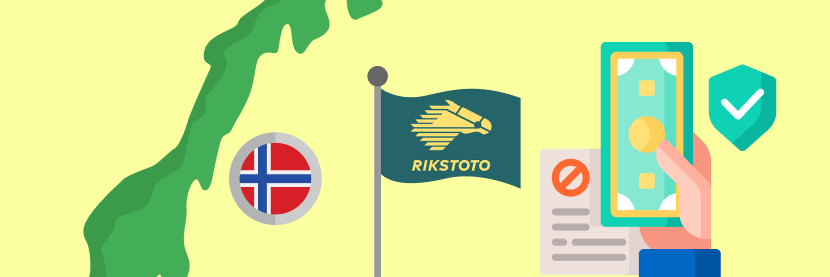
Norwegian gambling laws are primarily governed by the Gambling Act of 1992, which regulates lotteries, betting, and gaming in the country. The Act establishes a monopoly system that favors state-run operations. This means that only two entities are licensed to operate gambling: the government itself, through Norsk Tipping for lotteries and sports betting, and Norsk Rikstoto for horse racing.
One of the main objectives of this regulatory framework is to prevent gambling addiction and ensure that gambling does not harm individuals or society. As such, both Norsk Tipping and Norsk Rikstoto have a responsibility to promote safe gambling practices and take precautionary measures to protect vulnerable players.
Online Gambling Regulations
In addition to land-based casinos, the regulation of online gambling has become increasingly significant. Norwegian law prohibits foreign companies from operating online casinos targeting Norwegian citizens. This is enforced by blocking unlicensed gambling sites and imposing heavy fines on those who attempt to circumvent these restrictions.

Although Norwegians have access to various online gambling platforms, the government strongly discourages these practices, promoting instead regulated channels that contribute to social welfare. This policy highlights the government’s desire to maintain control over gambling related activities within its borders.
Cultural Attitudes Towards Gambling
In Norway, gambling is viewed with skepticism. The no-gambling culture is indicative of a wider societal belief in moderation and personal responsibility. Many Norwegians view gambling as a potential source of social harm rather than entertainment. There is a collective understanding of the possible risks associated with gambling, leading to a more conservative stance nationwide.
This cultural mindset is not merely a product of tradition; it has been entrenched through years of policies aimed at reducing the negative consequences of gambling. As a result, there is an overarching reluctance to embrace a broader gambling culture that might be found in other parts of Europe, where casinos, both land-based and online, are more common and socially accepted.
Responsible Gambling Initiatives
With mental health and social responsibility at the forefront, Norwegian gambling authorities have implemented several initiatives aimed at promoting responsible gambling. Various support programs are in place to help those who seek assistance with gambling addiction. This includes a dedicated helpline and online resources that provide information about the risks associated with gambling and the services available to help those in need.
Furthermore, Norsk Tipping and Norsk Rikstoto both operate under strict guidelines that emphasize player protection. They employ strategies that limit time and money spent by players, such as deposit limits and cooling-off periods. These measures are designed to minimize the risk factors associated with gambling and help individuals maintain control over their gambling behavior.
Future Considerations
As the landscape of gambling continues to evolve, particularly with the rise of online platforms, Norway may face pressure to reassess its gambling regulations. There are ongoing discussions surrounding the potential for a more open market, especially in light of the increasing prevalence of online betting.
Advocates for reform argue that expanding the legal gambling market could generate additional tax revenues and reduce the allure of unregulated gambling. However, it is crucial that any changes made do not compromise the values of player protection and responsible gambling that are deeply rooted in the fabric of Norwegian society.
Conclusion
In summary, Norwegian casino regulations are a reflection of the country’s commitment to responsible gambling and societal welfare. The combination of a state monopoly and a prevailing no-gambling culture sets Norway apart from many other nations. As the world of gambling continues to evolve, it will be interesting to see how Norway navigates these changes while maintaining its core values.
The no-gambling approach may seem restrictive to some, but it illustrates a conscious choice made by a society that prioritizes health and well-being over profit and leisure. Through well-regulated channels and responsible gambling practices, Norway aims to ensure that any gambling activities remain within a framework designed for safety and minimal harm.